
It’s been seven months since moving to my property in Southern California with an Airstream. I’d be lying if I said it was all sunshine and poppies. Every lifestyle has its ups and downward spirals into sob-fests of life-questioning dread. So it has been here. Life “off grid” is often romanticized because it has lower costs and fewer ties to normalcy. But lower financial burden can often mean a higher emotional one. Allow me to walk you through the truth of living off the grid in an Airstream.
My original plan was to hold back about 100 grand so I could build needed infrastructure into my raw land. That ended up not working out the way I envisioned. Which means I plunked down all of my money into the purchase of raw land, leaving me nothing but optimism and my “how hard can it be” mentality to fuel my many projects.
It’s been way harder than I thought.
Water, water nowhere and all of it’s to drink
The first challenge is water. Where I lived before, water came out of the ground. Like magic. When I needed it, I turned a knob and viola, it flowed in reckless abundance. It wasn’t the greatest quality of water, but it was clear, wet, and drinkable.
Here, water comes via massive truck once every three to four weeks, depending on how thirsty my horses have been. Funny thing about horses, they’re giant dickheads. They don’t give two craps if water is expensive or hard to come by. They just want it and they want it clean. Do they clear their mouths of hay before dunking their face into the trough? Please. Do they monitor how much dust they throw up by prancing about in excitement around their trough, thus dusting and muddying the water? Of course not. Do they sneeze their snotty snoot ejectors near the precious water? Every day.
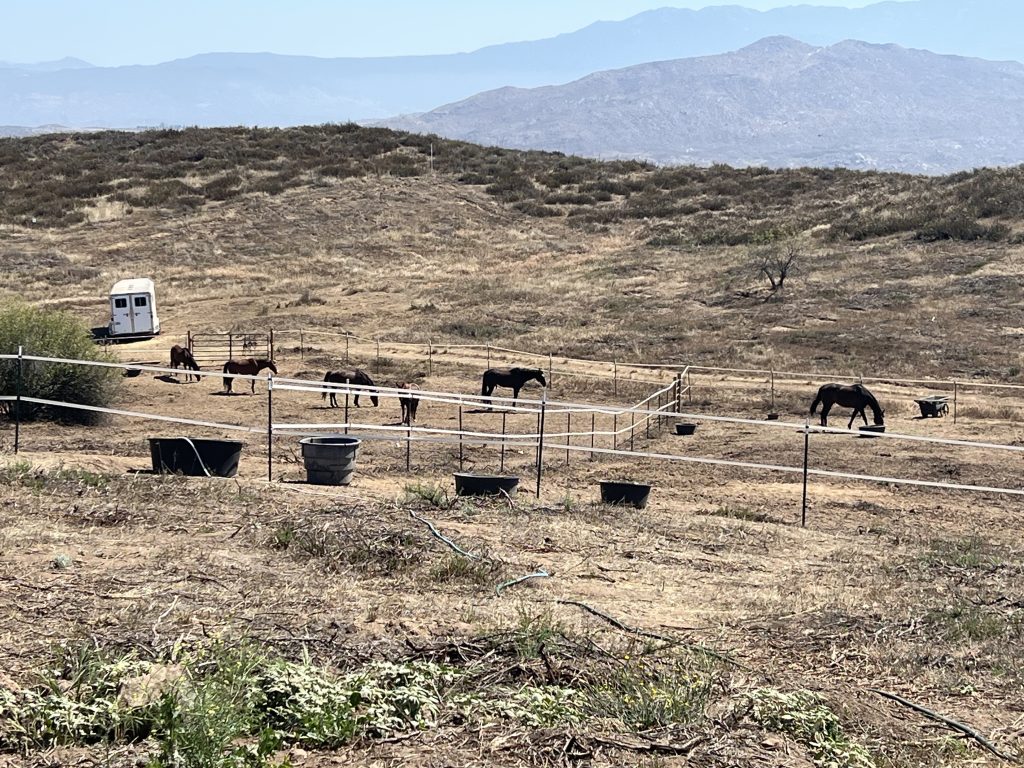
So that means I cart empty water gallons out to the troughs to suck up the muddy, hay-filled sludge they’ve created so I can recycle that water for other places. Like watering plants and soaking beet pulp.
Carting spitty hay water up and and down the hill was not on my vision board. Alas, here we are.
But where doth my power be?
As of the writing of this post, I have 1600 watts of solar panels. 400 watts on top of the Airstream, 400 watts plugged in and sitting on top of a wheelbarrow, and the remaining 800 watts leaning against the water tank doing absolutely nothing but annoying the shit out of me. Why? Great question. Because before I can plug in the remaining 800w, I first need to make sure my current system can handle the extra electricity.
Let’s just say I’ve already blown through one fuse.
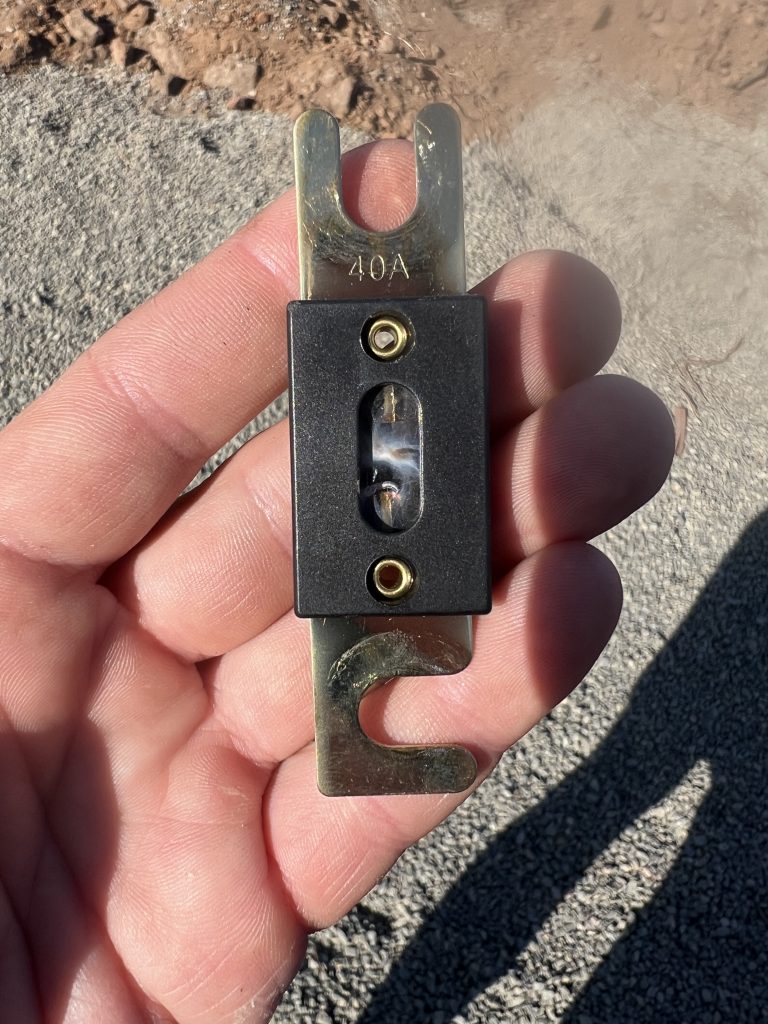
Let’s just say I’ve already had to get a new MPPT (maximum power point tracking) solar charge controller. Let’s just say I wish I’d learned more about electricity in high school instead of half the shit we’re taught that has zero application to real life. But hey, at least I can write essays?
Have I arched and sparked things up a little bit? Maybe. Have I learned a shit ton about DC power? Yes. And I already knew more than the average bear since I lived aboard a sailboat a few years back. Again I say, thanks for nothing, American Education System.
Every day I’m Paul Atreides
Southern California is a dry, Mediterranean climate (at least where I am). The good news is that mowing isn’t necessary but once or twice a year. The bad news is it’s air fryer dry. I “joke” that I’m living in Dune. The dust here even has mica in it, little gold flecks that might turn my eyes blue after it turns my snot brown. This wouldn’t be so much of a problem if I lived in a house and could block some of it out. Alas. Since I be in an Airstream and need windows open to catch breezes, there’s always a coat of dust over everything.
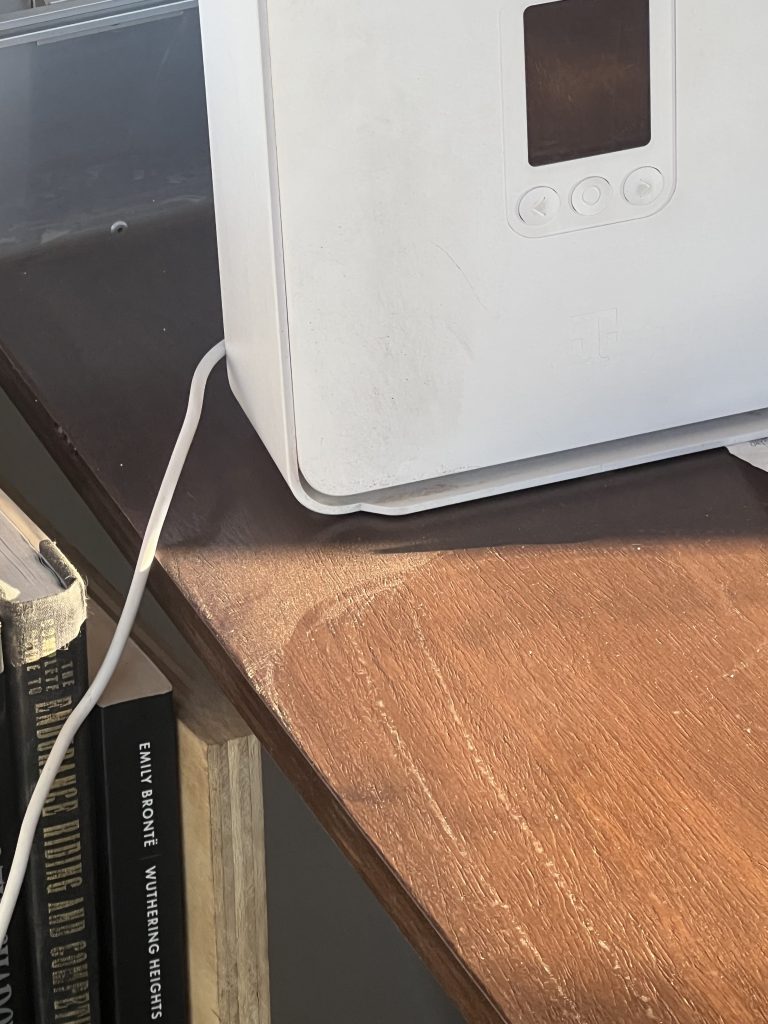
I hate it.
I did get some gravel (shoveling it out of my truck bucket by bucket).
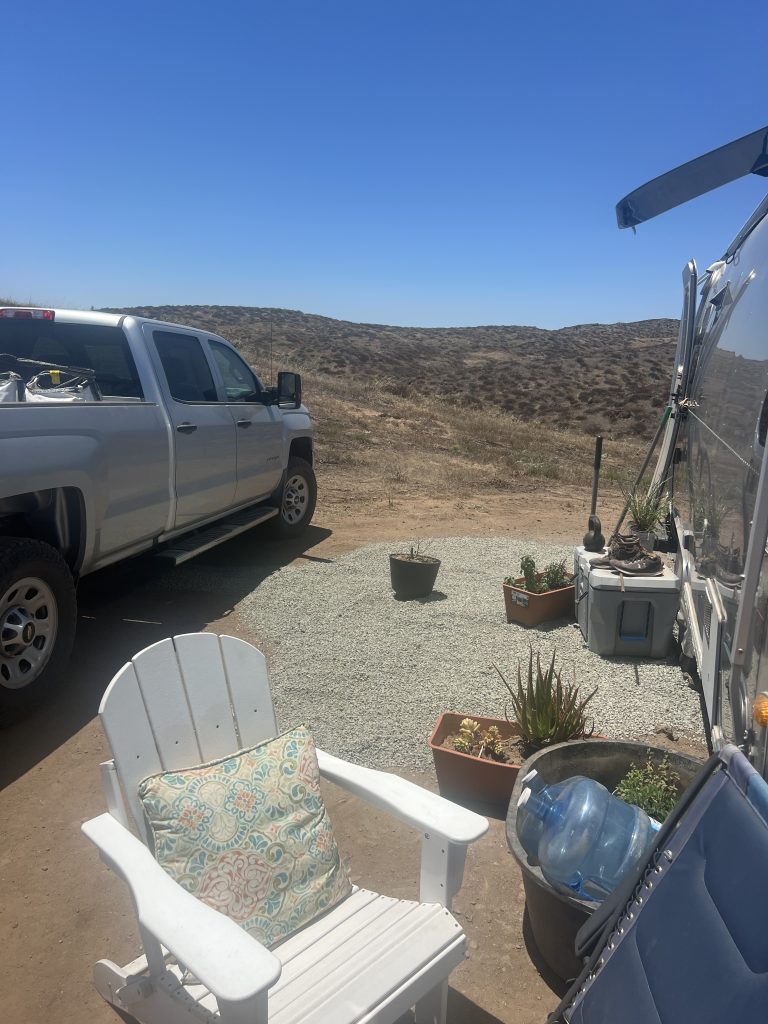
Speaking of dirt, the ground is concrete
I had a vision of living in an Airstream as I built a house, but that vision included infrastructure in the form of shade, decking, an outdoor oasis, string lights, and wine-filled evenings in the absolutely spectacular Southern California evenings (seriously, amazing). By the time I got around to dealing with shade sails, the ground had hardened like the heart of a jilted lover. Which means I know have 6 posts lying about the property, needing to be sunk into the insanely tough ground, and few means to get them there. Why? Oh the saga of that is a whole other post.
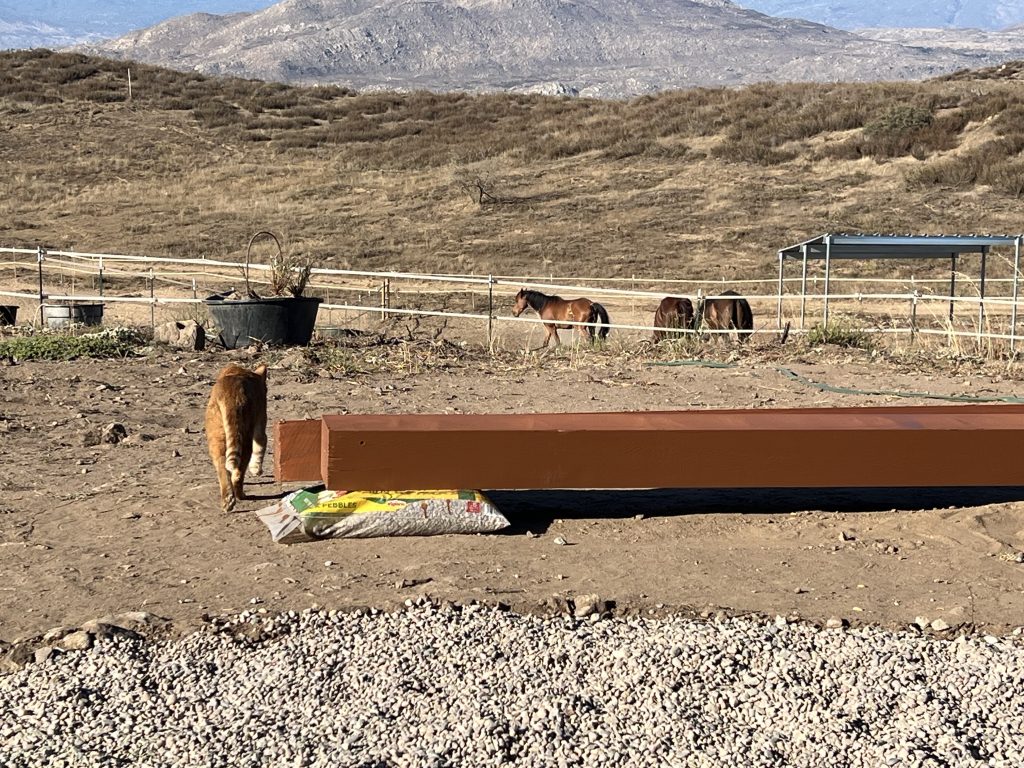
The hydraulic auger I rented did little to the dirt here. Jose, a handy man with more ambition than sense, assured me he could dig holes by hand. Survey says: no way, Jose. I now pick at holes one bit at a time, as I douse them with gray water from the Airstream. I’m getting closer, but still. The annoyance level is high.
So…. would I do this again???
I have regrets. I do not regret Southern California. What I regret is not having the funds to throw at my problems. A water well, hiring actual professionals to dig my holes, and enough cash left over to upgrade my power system all at once, rather than one element at a time, would pretty much solve everything but living with dust. My original plan wasn’t wrong. In fact, the money would’ve been all I needed. Imagine that. Instead or waving my problems away with fat stacks of cash, I’m limping along, forced to figure out so much on my own, correcting systems little by little.
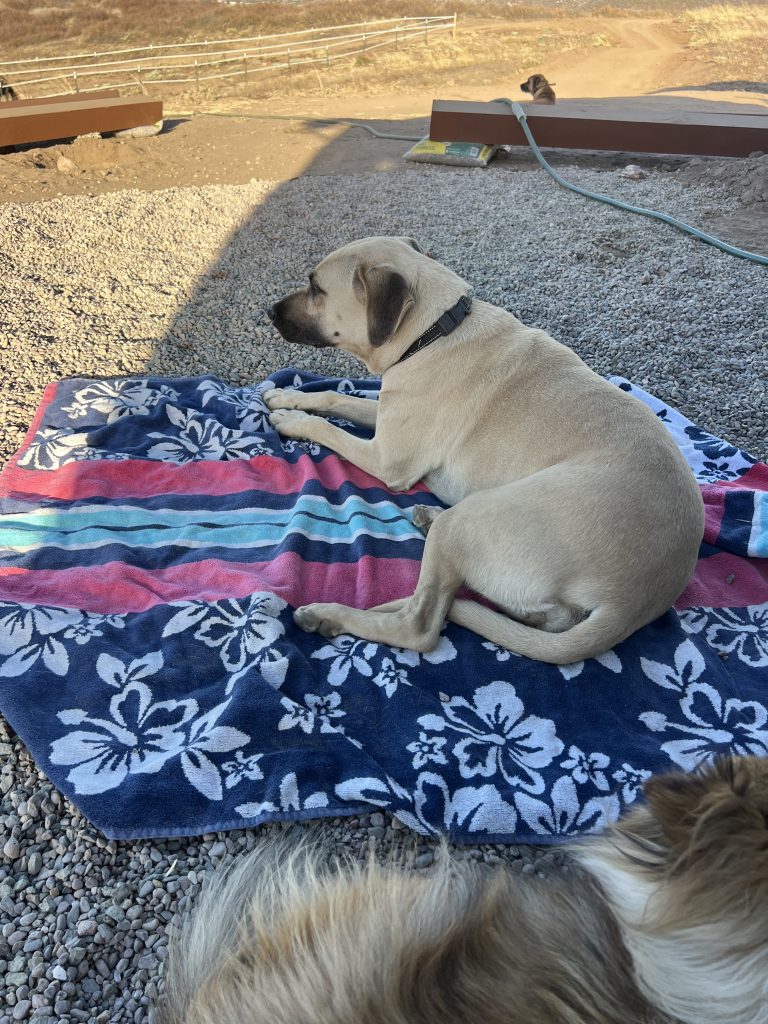
Do I enjoy living off grid? Yes and no. I do think it’s nice to be self-contained. Most of the time, even when the temperatures are in the high nineties, the airflow in the Airstream keeps the temperatures tolerable. Shade sails would make this place downright awesome. There’s so much sun here I can’t capture it all. And there’s enough wind if I erected a few wind turbines, I’d have more power than I’d need. The problem is just that one does not simply plug in more power when one has batteries and cabling that can only handle so much current.
Living off the grid isn’t a better way of life, it’s just a different one. It comes with challenges I simply wasn’t ready to take on. Am I capable of it? Sure. Do I always want to be capable? Not really.